Emergency Dentist Support for Same-Day Dental Emergencies

A dental emergency rarely arrives at a convenient hour. It tends to happen during lunch, on a weekend trip, after a late football practice, or right before an important meeting. One hard bite into a crusty piece of bread, one missed catch with an elbow to the face, one flare-up from a tooth that had been "fine enough" for months, and the day changes shape immediately.
When people search for an Emergency Dentist, they are usually not comparison shopping in a calm frame of mind. They are in pain, bleeding, anxious, or trying to protect a tooth they may lose if they wait too long. Same-day dental care exists for exactly this reason. It is not only about relief, though that matters plenty. It is also about timing, preserving teeth, controlling infection, and preventing a bad situation from becoming far Emergency Dentist more complex by nightfall.
The public often lumps every urgent dental issue into one category, but not every problem needs the same response. A chipped front tooth with no pain, a swelling near the gumline, a crown that popped off at breakfast, and a permanent tooth knocked out during sport all require different decisions. The strongest emergency dental teams know how to sort true urgency from discomfort, how to make room in the schedule, and how to move quickly without rushing the diagnosis.
What qualifies as a same-day dental emergency
Some cases are obvious. Severe pain that keeps building, visible swelling, trauma to the mouth, heavy bleeding, or a knocked-out adult tooth all need prompt attention. Other cases live in the gray area. A cracked tooth may feel mild at first, then split further by evening. A lost filling may seem manageable until cold air or water hits exposed dentin and turns the day into a misery. Gum infections can start as tenderness and escalate into facial swelling with surprising speed.
The practical standard is simple: if delay could worsen pain, increase infection risk, or reduce the chance of saving a tooth, same-day evaluation is usually warranted. That does not always mean a full permanent repair on the first visit. Often, the immediate goal is to stabilize the situation, get pain under control, protect the tooth or surrounding tissue, and plan definitive treatment once the urgent phase settles.
This point matters because many patients expect either too much or too little from an emergency visit. Sometimes the answer is a quick smoothing and bonding for a broken edge. Sometimes it is drainage, medication where appropriate, or a temporary restoration to buy time. And sometimes the correct same-day treatment is extraction, because the tooth cannot be predictably saved and the infection or structural damage is too advanced.
The emergencies that deserve immediate action
There is a practical difference between "call soon" and "call now." In real clinical settings, the cases that move to the front of the line share one of three features: risk to health, risk to a tooth, or uncontrolled symptoms.
An adult tooth that has been knocked out is one of the clearest examples. Time matters. The best outcomes happen when the tooth is handled properly and repositioned or stored correctly while the patient gets to a clinic fast. Facial swelling, especially if it is spreading or paired with fever, difficulty swallowing, or trouble opening the mouth, raises concern because dental infections can move beyond a single tooth. Uncontrolled bleeding after an extraction, injury, or sudden gum trauma also needs prompt review.
Severe toothache can be trickier to judge from home. Pain alone does not always reveal the diagnosis. A cracked tooth, a dying nerve, a deep cavity, an abscess, or inflamed tissues around a partially erupted wisdom tooth can all produce intense discomfort. That is exactly why same-day assessment matters. Pain is a symptom, not a diagnosis.
What an Emergency Dentist actually does during a same-day visit
The image many people have is simple: arrive in Emergency Dentist dentalgroupbh.com pain, sit in the chair, get the tooth "fixed." Real emergency dentistry is more deliberate than that. A good urgent appointment begins with triage. The team asks what happened, when it started, whether swelling is present, what makes it worse, and whether there are warning signs that change the level of concern. Medical history matters, especially blood thinners, immune suppression, recent surgeries, pregnancy, diabetes, allergies, and heart conditions.
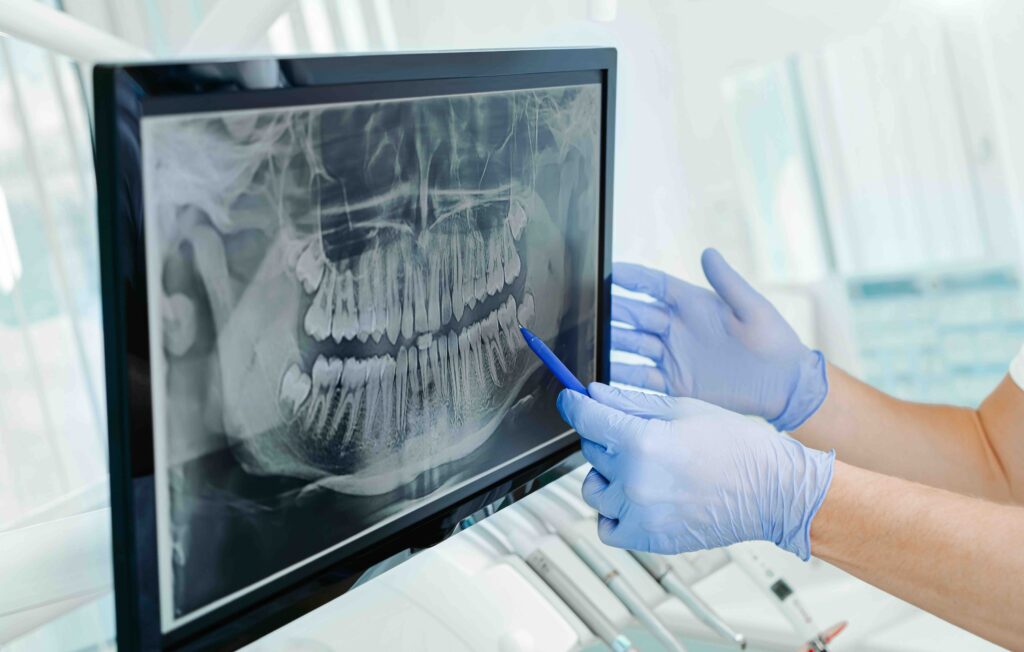
Once the dentist examines the area, imaging often follows. A small dental X-ray can reveal decay near the nerve, infection at the root tip, a hidden fracture pattern, bone loss, or a problem under an old filling or crown. With trauma, the dentist may check bite changes, tooth mobility, lip or cheek injuries, and whether a fragment is missing. If the pain is unclear, the exam may include temperature or pressure testing to narrow down whether the nerve is inflamed, dead, or healthy.
Only after that does the treatment plan make sense. Same-day care may involve numbing the tooth, adjusting the bite, placing a sedative filling, re-cementing a crown, bonding a chipped area, prescribing medication where clinically justified, opening a tooth to relieve pressure, draining localized infection, or removing a tooth that cannot be restored. The best emergency visits feel efficient, but not hurried. Patients leave knowing what was done, what still needs attention, and what to expect when the anesthetic wears off.
The first hour matters more than most people realize
The period between the injury or flare-up and the dental appointment can influence the outcome. This is where calm, practical action helps more than panic. A few simple moves can reduce damage and discomfort while you arrange care.
- Rinse gently with warm water and clear away blood or debris.
- Apply clean gauze with firm pressure if there is bleeding.
- Use a cold compress on the outside of the face for swelling or trauma.
- If an adult tooth is knocked out, hold it by the crown, not the root, and keep it moist in milk or saliva if you cannot reinsert it safely.
- Avoid chewing on the affected side, and avoid aspirin placed directly on the gum, which can burn soft tissue.
That short window is where home remedies often go wrong. People glue crowns back with inappropriate products, scrub a knocked-out tooth root, or wait overnight on a swelling that should be seen the same day. Temporary dental repair kits from a pharmacy can be useful for a dislodged crown or lost filling, but only as a bridge. They are not a substitute for examination, especially if pain, odor, swelling, or a bad taste suggests infection.
Pain, pressure, and panic, what patients feel in the chair
Urgent dentistry is never purely mechanical. It is emotional work too. Even confident patients can become shaky when pain has been building for hours. Parents arrive carrying their own stress and their child's. Adults with past traumatic dental experiences may sit rigid in the chair, trying not to bolt. A skilled Emergency Dentist reads that instantly.
The better emergency appointments are often memorable for reasons that have little to do with the handpiece. Someone explains what is happening in plain language. Numbing is tested before treatment starts. The patient gets a brief roadmap instead of vague reassurance. If there are trade-offs, they are stated honestly. For example, a temporary measure may settle pain today but still leave a root canal or crown needed later. Extracting a badly broken tooth may bring faster relief and lower immediate cost, but replacing that tooth has long-term implications for chewing, drifting, and bite stability.
This kind of judgment matters. It is one thing to relieve pain. It is another to do so without creating a larger restorative problem six months later.
Common same-day emergencies and how they are usually managed
A cracked tooth is one of the most unpredictable emergencies. Some cracks are superficial and mainly cosmetic. Others run deep below the gumline and carry a poor prognosis. Patients often describe a sharp pain on biting, especially when releasing pressure. Same-day treatment may include bite adjustment, temporary stabilization, medication guidance, or referral for root canal treatment if the nerve is involved. Sometimes the dentist can save the tooth with a crown after symptoms settle. Sometimes the crack direction makes that unrealistic.
Lost crowns are common and often less dramatic than they feel. If the underlying tooth is intact and not decayed through, re-cementation can be quick. If the tooth has fractured under the crown or decay has undermined it, the solution becomes more involved. A temporary crown may buy time, but it depends on how much healthy tooth remains.
Abscesses and gum swellings deserve respect. Patients usually notice throbbing pain, tenderness when biting, swelling, or a foul taste if the area drains. Many assume antibiotics alone will fix the problem. Often they help manage spreading infection or systemic signs, but antibiotics do not remove the source. If pressure is trapped inside the tooth or surrounding tissue, the infection typically needs drainage, root canal treatment, or extraction to resolve properly.
Broken dentures, sharp orthodontic wires, and soft tissue injuries also land in emergency schedules more often than people expect. They may not be life-threatening, but same-day help can restore speech, reduce pain, and prevent ulcers or accidental swallowing of broken components.
When swelling is more than a dental nuisance
This is one area where delay can be risky. Dental infections begin locally, but some spread into facial spaces. That is why clinicians pay close attention to symptoms beyond the tooth itself. Fever, general malaise, increasing facial asymmetry, difficulty swallowing, voice changes, or trouble breathing change the conversation immediately.
In those cases, a dental office may still be the first point of contact, but not always the final destination. Some patients need hospital-based care, imaging, intravenous antibiotics, or management by oral and maxillofacial surgery. That is not common in every emergency call, but it is common enough that patients should not minimize a rapidly enlarging swelling simply because it started from a tooth.
The practical message is straightforward: pain can often wait a few hours, airway concerns cannot.
Children, sports injuries, and same-day treatment decisions
Pediatric dental emergencies have their own rules. A baby tooth that is knocked out is not handled the same way as an adult tooth. Reimplanting a primary tooth is usually not advised because of the risk to the developing permanent tooth underneath. Parents understandably panic when they see blood and an empty space, but the correct next step depends on age, tooth type, and the nature of the injury.
With children, same-day care is often as much about reassurance and careful assessment as it is about intervention. A tooth may appear only slightly displaced, yet the dentist still needs to evaluate mobility, pulp vitality over time, and possible effects on the permanent successor. Soft tissue lacerations, lip swelling, and embedded tooth fragments can complicate what seems like a simple fall.
Sports injuries deserve special mention. Mouthguards reduce risk but do not eliminate it. In school-age children and teenagers, quick action after impact can make the difference between a minor repair and years of follow-up. If there is any uncertainty about whether the injured tooth is a baby tooth or a permanent one, same-day professional advice is worth seeking.
Access matters, especially after hours
One of the hardest parts of emergency care is not the dentistry itself, it is access. Pain does not respect office hours. Patients may call three practices before finding one that answers, or discover that a clinic accepts emergencies only for existing patients. Same-day support depends on logistics as much as clinical skill: reserved emergency slots, responsive front-desk triage, clear after-hours instructions, and referral pathways when a case exceeds what can be safely managed on site.
For patients, this means it helps to know more than the name of your nearest clinic. It helps to know whether that clinic provides urgent appointments, weekend availability, or an after-hours line. If you have a regular dentist, save the practice number in your phone before you need it. It is a small habit, but it saves time when you are trying to function through pain.
There is also a cost reality that should be acknowledged plainly. Emergency visits can include examination fees, X-rays, treatment charges, and sometimes additional costs for definitive care later. Good practices are direct about this. They explain what must be done now versus what can wait, and they distinguish temporary relief from final restoration. That transparency is especially important when patients are under stress and trying to decide quickly.
What to ask when you call for urgent dental care
A short, focused call can make your appointment smoother and faster. The reception team may not diagnose over the phone, but they can guide next steps and help the clinician prepare.
- Describe the problem clearly, including swelling, trauma, bleeding, and pain level.
- Ask whether same-day treatment is likely or whether the visit is mainly for diagnosis and pain control.
- Mention medical conditions, allergies, pregnancy, or blood thinners right away.
- Ask what you should do before arrival, especially for a knocked-out tooth or active bleeding.
- Confirm fees, insurance details, and whether you need someone to drive you home if sedation is possible.
Those few questions often reveal whether the practice is genuinely equipped for emergencies or simply willing to squeeze in an exam. There is a difference, and patients feel it.
Temporary relief versus definitive treatment
One of the more misunderstood parts of urgent care is that a successful emergency visit is not always a finished case. If a dentist opens a tooth to relieve internal pressure, the pain may improve dramatically, but the tooth may still need root canal treatment and a crown. If a cracked molar is stabilized and calmed down, the long-term survival of that tooth may still be uncertain until symptoms and imaging are reviewed over time. If a damaged tooth is extracted to control infection, replacement planning becomes the next chapter.
This is not a sign that the emergency appointment "didn't work." It is how sound dentistry often looks under time pressure. First, stop the immediate problem. Then, when the patient is comfortable and the diagnosis is clearer, make the best long-range decision.
That distinction matters because rushed definitive treatment can backfire. Deep numbness in inflamed tissue can be difficult to achieve. Swelling can distort landmarks. Patients in severe pain may struggle to tolerate lengthy procedures. Good emergency care respects these realities instead of pretending every urgent visit should end with a perfect permanent fix.
Why prevention still belongs in this conversation
It may seem strange to talk about prevention in an article about same-day emergencies, but many urgent visits begin as delayed routine care. A tiny fracture line ignored for months becomes a split tooth. A cavity that only hurt with sweets reaches the nerve on a Friday evening. A crown that felt "a bit loose" comes off during dinner. Even trauma outcomes improve when patients already wear proper mouthguards or have a dentist who knows their history and can act quickly.
Regular examinations do not eliminate emergencies, but they reduce the number that arrive with drama attached. They also make triage easier. When a dentist already knows the condition of the teeth, existing restorations, and prior X-rays, urgent decisions become faster and often more accurate.
Same-day emergency dentistry plays an essential role because life is messy and bodies are unpredictable. Teeth crack, infections flare, children fall, and old dental work reaches its limit. What patients need in those moments is not just availability, but experienced judgment, efficient care, and clear communication. A capable Emergency Dentist provides all three, helping people move from panic to plan, and from pain to stability, often within a single visit.