Emergency Dentist Beverly Hills: Relief for Sudden Chewing Pain
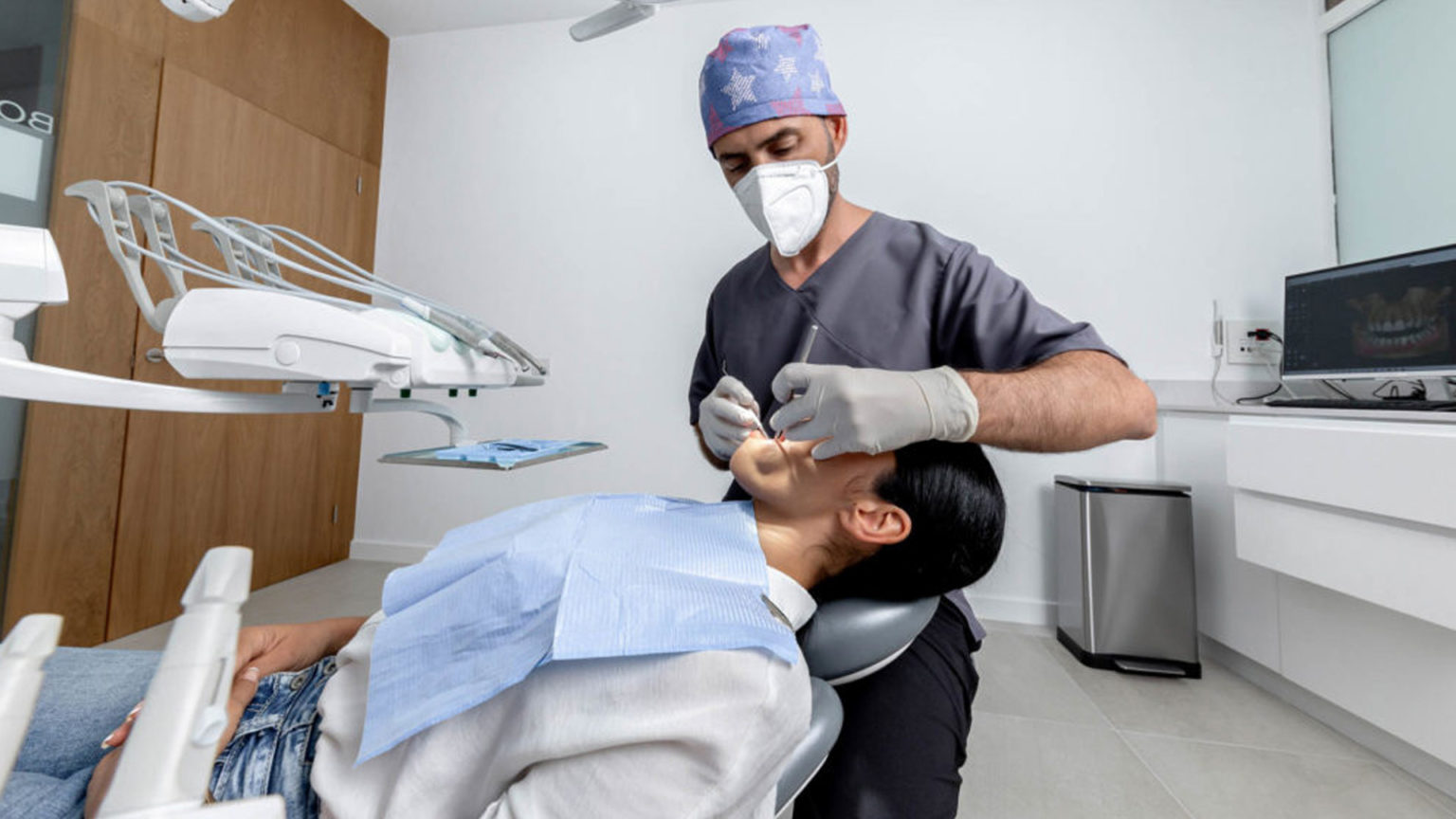
Sudden chewing pain has a way of taking over the day. A simple bite into toast, a sip of coffee, even the pressure of closing your teeth can send a sharp signal through your jaw and stop you cold. Patients often describe it the same way: everything felt manageable until they tried to eat. Then the problem became impossible to ignore.
That is usually the point when people start searching for an Emergency Dentist Beverly Hills. Not because they want perfect timing or convenience, but because chewing pain changes the basic rhythm of life. You stop eating normally. You chew on one side. You tense your face without realizing it. If the pain spikes hard enough, sleep can suffer too.
What makes this kind of pain tricky is that it does not come from just one cause. A cracked tooth can do it. So can an abscess, an inflamed nerve, a high filling, a fractured cusp, gum swelling around a wisdom tooth, or severe clenching that has bruised the ligament around a tooth root. The common thread is pressure. When the tooth or the tissues around it can no longer tolerate force, chewing becomes the moment when the problem declares itself.
Why chewing pain should not be brushed off
A lot of dental discomfort starts vaguely. A tooth feels sensitive to cold for a week or two. Something catches when flossing. A filling feels a little off. Many people wait because the symptoms seem inconsistent. Chewing pain is different. It often means the tooth structure, the pulp inside the tooth, or the supporting tissues are under stress in a very mechanical way.
That matters because mechanical pain tends to repeat. Every meal, every snack, every unconscious clench can aggravate the same spot. It is not unusual for a small crack to worsen over days if the tooth keeps taking pressure. A localized gum infection can spread. A tooth that only hurt on hard foods can advance to pain on soft foods, then pain at rest.
One of the more telling patterns in practice is the patient who says, “It only hurts when I bite, but when I release the bite, it zings.” That release pain often raises suspicion for a cracked cusp or a fracture line. Another common scenario is dull soreness when chewing after a large filling or crown. Sometimes the bite is simply too high, and the tooth is being hit first every time the jaws close. That can inflame the ligament around the root and make the tooth feel bruised. The good news is that not every case is catastrophic. The less good news is that you cannot reliably diagnose which problem you have at home.
What sudden chewing pain can actually mean
Teeth are strong, but they are not indestructible. Years of wear, old restorations, nighttime grinding, and sudden hard pressure can create weak points. A cracked tooth may look normal in the mirror. You may not see swelling. You may not even have constant pain. Yet one seed, one crust of bread, or one piece of ice can load the crack and produce a sharp shock.
In other cases, the source sits deeper. The nerve inside the tooth may be inflamed from decay, trauma, or a failing filling. When that pulp becomes irritated, pressure from chewing can become painful because the tooth is already sensitized. If the nerve begins to die or infection moves beyond the root tip, pain can intensify and shift from occasional to persistent.
Gum and periodontal problems can mimic tooth pain as well. Food can wedge between teeth and inflame the gum papilla. A deeper pocket around the tooth can become infected. If you have ever had a popcorn hull or meat fiber trapped under the gum, you know how surprisingly severe localized chewing pain can be.
Then there is the bite itself. People are often surprised to learn that a filling or crown that is just slightly high can make one tooth feel dramatically sore. The periodontal ligament, which acts like the shock absorber around the tooth root, is very sensitive to overload. A small discrepancy can create the sensation that the tooth is loose, tall, or painful to bite on.
The symptoms that suggest an urgent dental visit
Pain always deserves context. Some chewing discomfort is mild and transient. Much of it is not. If the pain is escalating, waking you up, or paired with swelling, heat, or a bad taste in the mouth, you should treat it as urgent. The same goes for a broken tooth with a missing piece, a crown that has come off and left the tooth exposed, or a tooth that hurts sharply with every bite.
A few signs deserve especially prompt attention:
- swelling in the gum, face, or jaw
- fever or a general ill feeling alongside tooth pain
- pus, drainage, or a foul taste near the sore tooth
- difficulty opening the mouth, swallowing, or speaking comfortably
- pain after trauma, especially if the tooth feels mobile or looks displaced
These symptoms can point to infection, structural damage, or a problem that is unlikely to settle without treatment. When people search for an Emergency Dentist Beverly Hills, this is often the type of situation they are dealing with: pain that has crossed from inconvenient into urgent.
What to do before you can be seen
The gap between the first bad bite and the actual appointment can feel long, even if the office gets you in quickly. The goal during that window is simple: reduce stress on the area and avoid making a manageable problem worse.
- stop chewing on the painful side
- rinse gently with warm salt water
- use an over the counter pain reliever only as directed on the label, if you normally tolerate it
- avoid very hard, sticky, or extremely hot and cold foods
- if a crown has come off, keep it clean and bring it with you
There are also a few things not to do. Do not place aspirin directly on the gum. It can burn the tissue. Do not keep testing the tooth by biting on it every hour to see whether it still hurts. People do this more than they admit, and it often keeps the area inflamed. If swelling is present on the outside of the face, a cool compress can be more comfortable than heat.
What an emergency dental visit usually looks like
When a patient arrives with chewing pain, the evaluation is usually more targeted than people expect. The aim is not to do every possible procedure in one sitting. It is to identify the source accurately and stabilize the problem.
A careful history matters. Does the pain happen on biting down, on release, with cold, or all of the above? Did it start after chewing something hard? Is there a recent filling, crown, or trauma? These details often narrow the possibilities quickly. Dentists then combine that history with an exam, x rays, bite tests, percussion testing, and cold testing. In some cases, special transillumination or magnification helps reveal crack lines.
That distinction between causes is important because treatment can vary a lot even when the symptom sounds identical. A tooth with a high bite may improve dramatically with a simple adjustment. A fractured cusp may need a crown or onlay. An infected nerve may require root canal treatment. A tooth split below the gum line may not be salvageable. The emergency visit is about separating those paths as cleanly as possible.
One of the biggest reliefs for patients is hearing a precise explanation. Fear tends to fill in the blanks. People imagine they need the worst possible treatment. Sometimes they do need significant care, but often the problem is more contained than they thought. Other times, the dentist explains that the tooth can likely be saved, but delaying care will reduce those odds.
Common causes of chewing pain, and how they are managed
Cracked teeth are among the most frustrating causes because the pain can be elusive. The tooth may seem fine on some bites and excruciating on others. If the crack is limited to a cusp, removing the weakened segment and restoring the tooth can work well. If the crack extends into the root, the outlook changes. That is why dentists are cautious about promising outcomes before the structure is fully assessed.
Decay under an old filling is another frequent culprit. The outer restoration may appear intact while the supporting tooth underneath has softened or broken down. Pressure from chewing then flexes the area and irritates the nerve. Treatment may be as conservative as a new filling, or it may involve a crown if a large portion of the tooth is compromised.
Root canal related pain has its own pattern. Patients often report thermal sensitivity, spontaneous throbbing, or tenderness when biting. Once the pulp is irreversibly inflamed or infected, medication alone will not solve the source problem. Relief usually comes from removing the infected tissue through root canal treatment or, in some cases, removing the tooth when it cannot be restored predictably.
Bite trauma is less dramatic on an x ray but very real in the mouth. A restoration that is even slightly too high can make a tooth feel strikingly sore. Adjusting the bite often brings fast improvement, although the ligament may stay tender for a few days after the pressure is corrected. That lag can worry patients, but it is common.
Gum and periodontal issues require their own approach. If debris is trapped beneath the gum, cleaning and irrigation may solve the problem. If there is a deeper periodontal abscess, treatment can include drainage, cleaning under the gum, and follow up periodontal care.
The Beverly Hills factor: why timing and precision matter
People seeking an Emergency Dentist Beverly Hills are often balancing more than pain. They may have a demanding work schedule, public facing responsibilities, travel plans, or important events they cannot easily postpone. That does not make the problem cosmetic. It makes timing matter even more.
In those cases, the ideal emergency appointment does two things at once. It relieves the immediate pain and sets up a durable next step. If a temporary measure is the only responsible first move, that should be explained clearly. For example, a tooth with significant infection may need drainage and medication first, followed by definitive treatment once the area calms. A cracked tooth may be stabilized temporarily before full restoration. Good emergency care is not just about speed. It is about judgment.
Patients also deserve candor about edge cases. There are times when a tooth might be restorable in theory, but the long term prognosis is guarded because the crack pattern, remaining tooth structure, or gum support is poor. In those situations, trying to save the tooth at all costs can lead to more discomfort, more expense, and another emergency later. The right answer is not always the most aggressive one. It is the one that makes sense biologically and practically.
When the pain comes and goes
Intermittent chewing pain often persuades people to delay. If the tooth only hurts with almonds or crusty bread, it is easy to rationalize waiting. The problem is that many of the underlying causes do not stay intermittent forever.
A small crack can deepen. A nerve that is only mildly inflamed can tip into irreversible inflammation. An area that only hurts under pressure can become sensitive to temperature, then tender to touch, then swollen. The earlier the tooth is evaluated, the more options are usually on the table.
There is another reason not to wait: diagnosis is sometimes easier when the symptoms are fresh. Patients remember whether the pain happened on biting or release, whether it followed a specific meal, whether cold triggered it. Those details help. By the time weeks pass, the symptom pattern may blur, or the tooth may have changed enough that the original clues are gone.
A note on pain tolerance and why “I can handle it” is not the point
Some people have a very high pain threshold. They can function through a lot, and they often do. That can be admirable in other contexts, but it is not a useful standard for dental emergencies. The question is not whether you can tolerate the pain. The question is what the pain is signaling.
I have seen patients keep working, traveling, attending meetings, and eating on one side for far too long because they did not want to make a fuss over a tooth. By the time they came in, a problem that might have been handled conservatively had become a more complex repair. Not every delayed visit Emergency Dentist Beverly Hills dentalgroupbh.com ends that way, but enough do that it is worth saying plainly: stoicism is not a treatment plan.
How dentists decide between saving a tooth and removing it
This is one of the hardest parts of emergency dentistry, especially when the pain is severe and the patient wants immediate certainty. Dentists weigh several factors at once. Is the crack restorable? How much sound tooth remains? Is there infection limited to the root tip, or is there deeper periodontal involvement? Will a crown have enough ferrule and support? Has the tooth already had extensive work?
Sometimes the answer is encouraging. A painful tooth may need root canal treatment and a crown, but with proper restoration it could function for many years. Other times, extraction is the cleaner and more predictable route. That is not a failure. It is a decision based on structure, biology, and long term stability.
The best emergency care does not oversell either path. If a tooth can be saved with reasonable confidence, that is worth pursuing. If the odds are poor, patients deserve honesty before investing time, money, and hope into a result that is unlikely to last.
Aftercare, and what recovery usually feels like
Relief can be immediate, but healing is not always instant. If the issue was a bite adjustment, many patients notice improvement the same day or within a few days. If there was infection or deep inflammation, the tooth and surrounding ligament may remain tender for a bit even after the source is addressed. That is normal, within limits.
Patients should pay attention to trends. A mild ache that steadily improves is different from swelling that increases, pain that intensifies after treatment, or difficulty swallowing. The treating office should give clear guidance on what to expect and what warrants a call back. Good follow up is part of emergency care, not an optional extra.
Diet matters for a few days too. Softer foods, chewing away from the treated side when advised, and avoiding hard or sticky foods can protect the area while tissues settle. It sounds basic, but these small decisions often determine whether a tooth gets a calm recovery or another painful setback.
Preventing the next emergency
Not every chewing pain episode is preventable. Teeth crack unexpectedly. Old restorations fail. Accidents happen. Still, many emergencies have a backstory that includes heavy grinding, delayed maintenance, recurring decay, or restorations that have been under strain for years.
If you grind or clench, a properly fitted night guard can reduce the load on teeth, especially those with large fillings or crowns. If a filling starts to feel rough or a crown seems slightly “off,” having it checked early can prevent the kind of repeated stress that turns into ligament pain or fracture. Routine exams matter here not because they catch every issue, but because they often spot the warning signs before chewing becomes painful.
One practical truth bears repeating: teeth rarely fix themselves. Symptoms may quiet down, but the underlying reason often remains. A cracked cusp may stop hurting when you avoid one side, yet the structural weakness is still there. A nerve may settle for a while after inflammation subsides, but the process that irritated it can flare again.
Getting the right help quickly
When you are dealing with sudden chewing pain, the priority is simple. Get an accurate diagnosis from a provider who handles urgent dental problems regularly and can distinguish between a crack, infection, bite trauma, gum issue, or restorative failure. Each one can feel similar in the chair. Each one needs a different solution.
That is why the search for an Emergency Dentist Beverly Hills matters. You are not just looking for someone to numb the pain for a few hours. You are looking for a clinician who can identify the source, relieve the immediate pressure, and guide the next step with sound judgment.
If biting has become sharp, if one tooth suddenly feels unsafe to chew on, or if swelling is entering the picture, treat it like the warning sign it is. The sooner the problem is evaluated, the better the chance of simpler treatment, faster relief, and a return to eating without thinking twice about every bite.
Dental Group of Beverly Hills
8641 Wilshire Blvd #125, Beverly Hills, CA 90211, United States
Phone: +1 (310) 929-6335
FAQ About Emergency Dentist Beverly Hills
What is considered to be a dental emergency?
Severe tooth pain, a knocked-out permanent tooth, a significant tooth fracture, or suspected dental infection needs prompt professional assessment. Contact a dentist to describe the problem and arrange appropriate care. Trouble breathing or swallowing, uncontrolled bleeding, or major facial injury requires immediate emergency medical attention.
How to tell if tooth pain is serious?
Pain that is severe, persistent, or accompanied by fever, facial swelling, or a bad taste should be assessed promptly by a dentist. The cause cannot be confirmed from symptoms alone. If swelling affects breathing or swallowing, call 911 or go to an emergency department.
What do I do if I have a dental emergency and no dentist?
Call a nearby dental practice that accepts urgent patients and explain your symptoms, when they began, and any recent injury. Ask about the earliest available assessment and what information to bring. For life-threatening symptoms, seek emergency medical care immediately instead of waiting for a dental appointment.